 SkillBamboo

Most AI labs fight for every bit of brand recognition they can get. Space Bunny Alpha showed up without a name attached at all.
Released in September 2026, it caught the engineering community's attention for two reasons: elite performance and no official author.
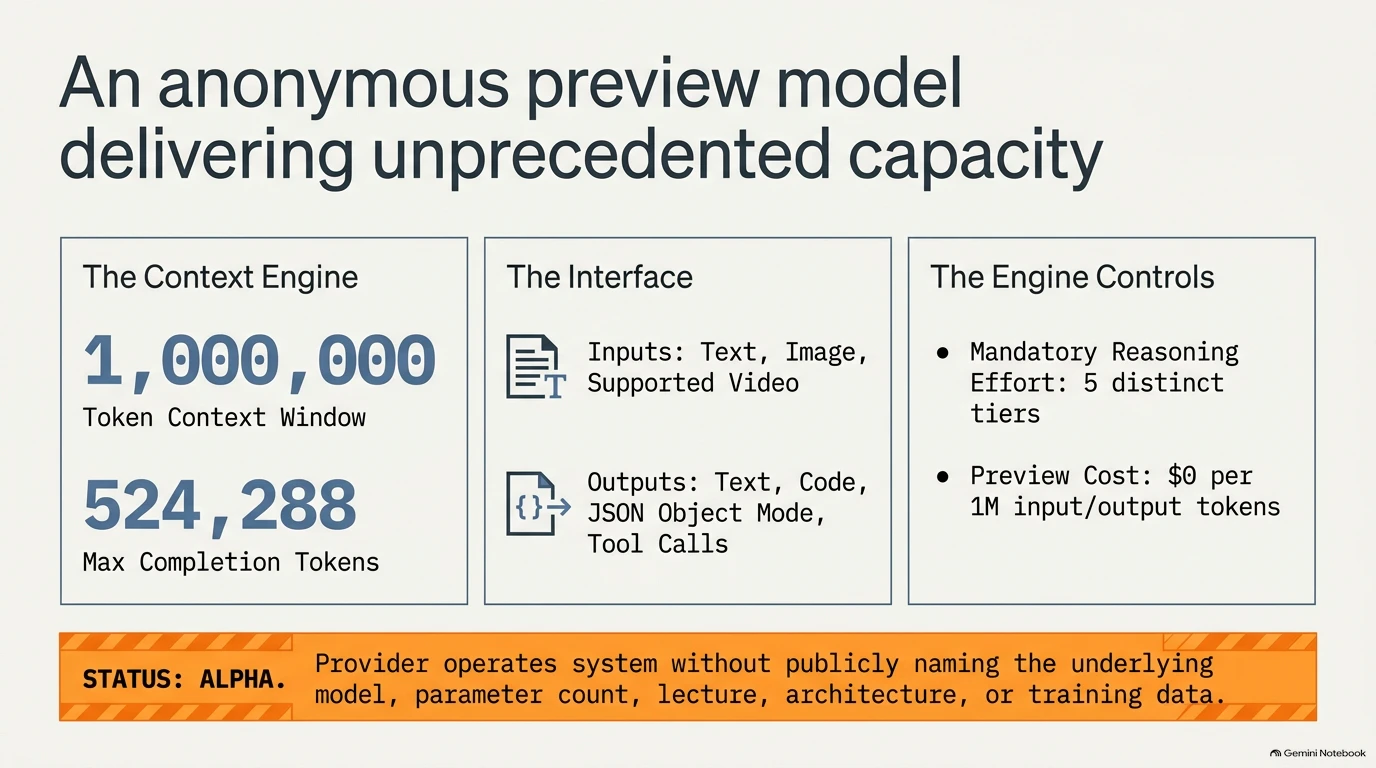
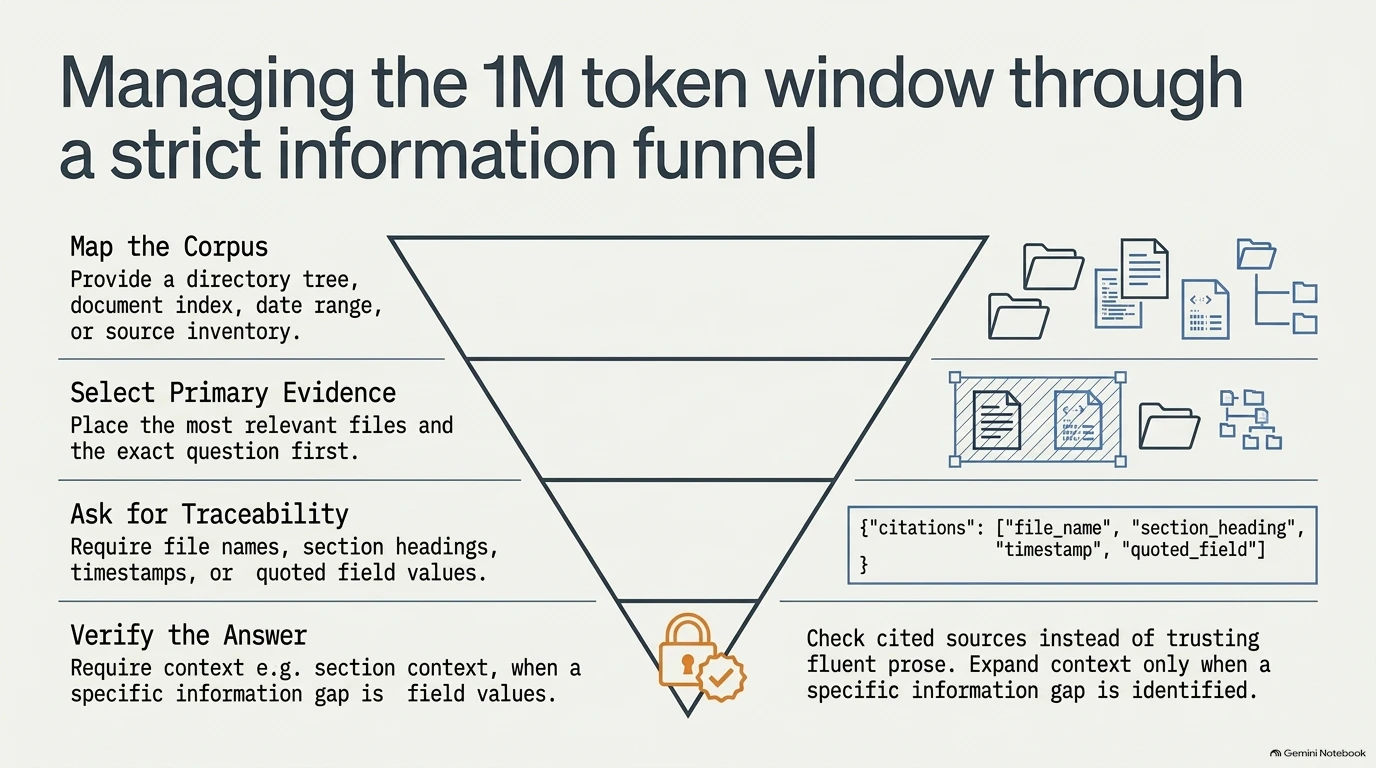
This is a "stealth" model of rare scale. It pairs a 1,000,000-token input window with a 524,288 completion token ceiling — an output capacity almost unheard of in the current market. But provenance — knowing who built a model and how — is how you decide whether to trust it, and an anonymous one cuts both ways.
If you're thinking about building on it, here are the five things that actually matter.
1. Who Made Space Bunny Alpha? The High Stakes of "Stealth" Intelligence
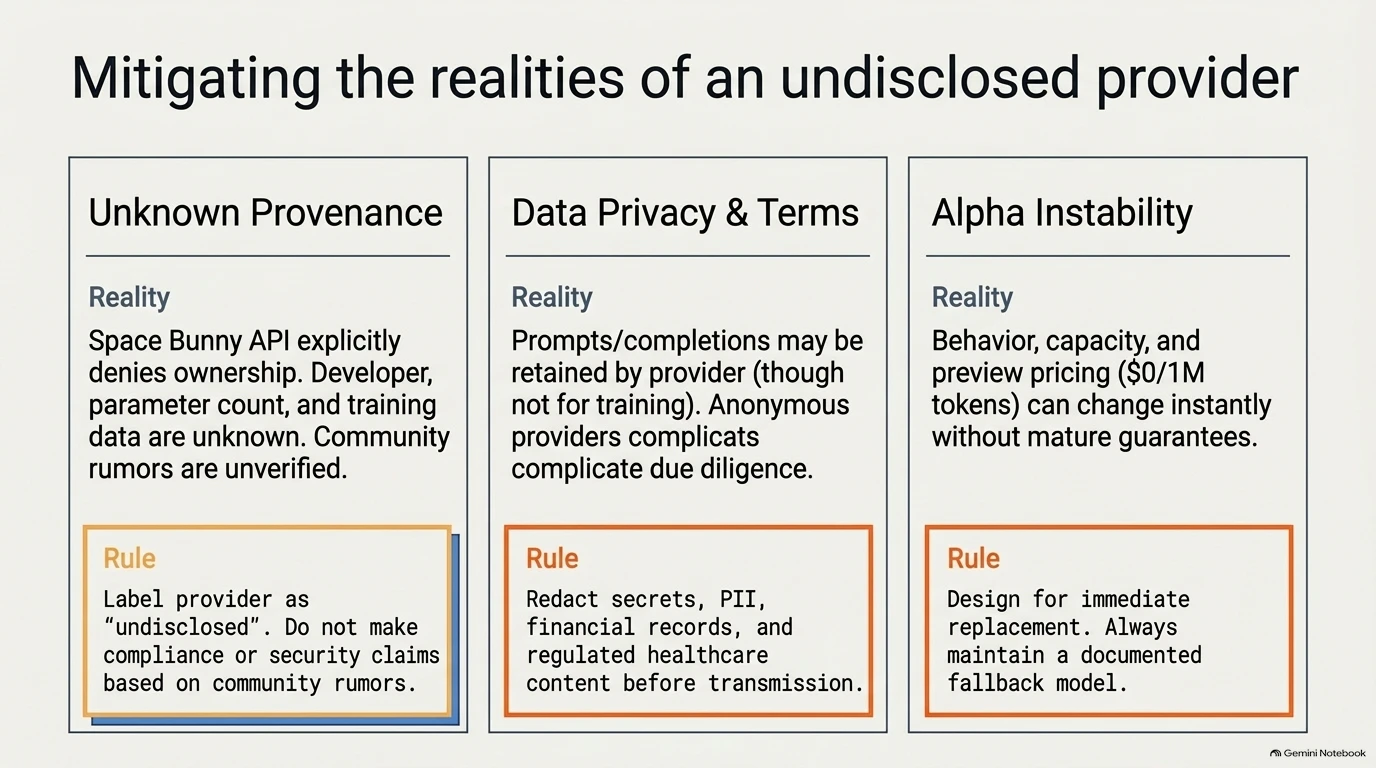
The word "stealth" is literal here. The model launched primarily on OpenRouter (model ID stealth/space-bunny-alpha). Third-party gateways such as the Space Bunny API (model ID space-bunny) also route it, but they explicitly deny being its developer or provider.
There's no shortage of theories. Tokenizer tests point to the DNA of MiniMax. The OpenAI theory rests only on the model calling itself ChatGPT/GPT-5. Neither has been officially confirmed.
In other words, nobody is accountable. There's no confirmed knowledge cutoff, no documented training methodology and no long-term roadmap.
The Space Bunny API describes itself as the routing and API layer only — it doesn't claim to be the developer or owner. Under the Stealth Model Terms, prompts and completions may be retained by the provider, but they aren't used for training.
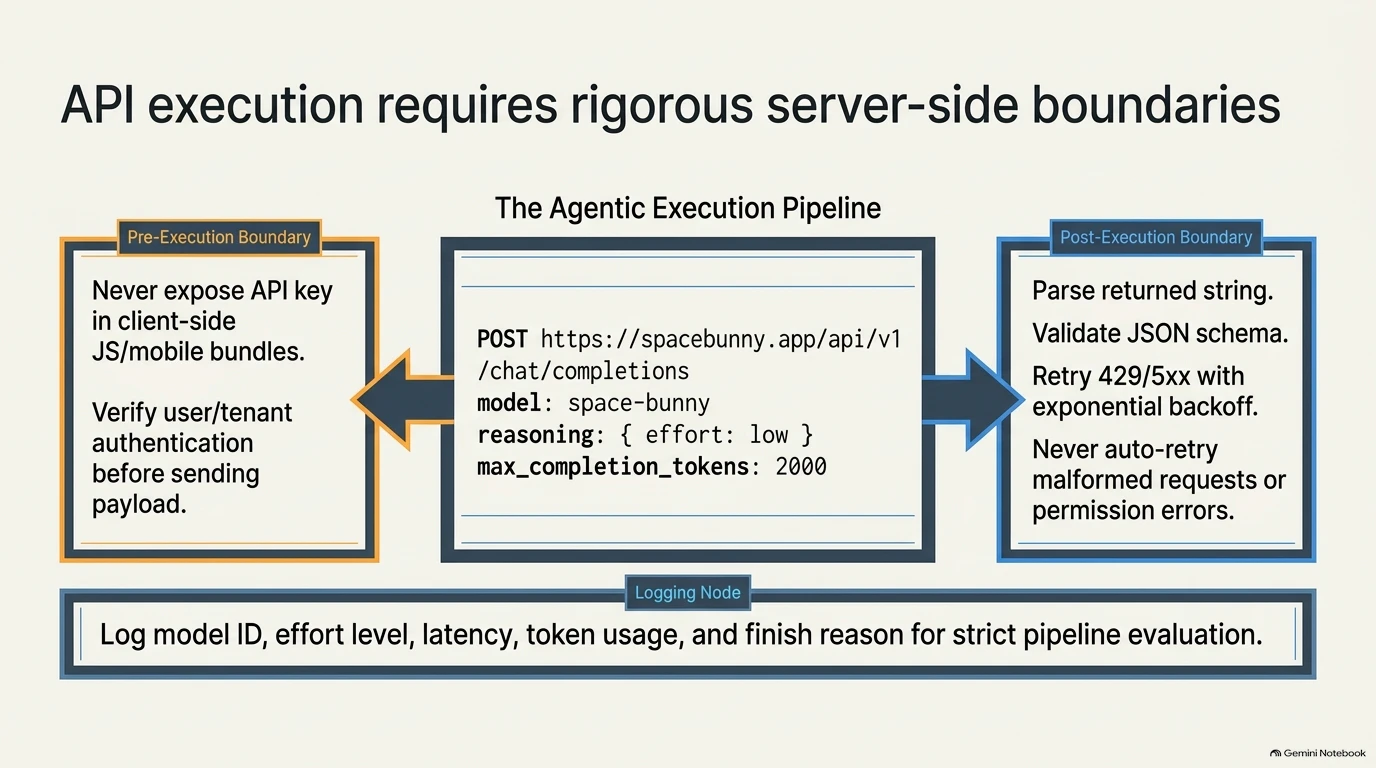
The good news is that integration is trivial: the model uses an "OpenAI-compatible chat-completions request shape." But without a known vendor, every production deployment becomes a calculated bet on data governance and future availability.
2. The 1,000,000-Token Context Window: Capacity Is Not a Target
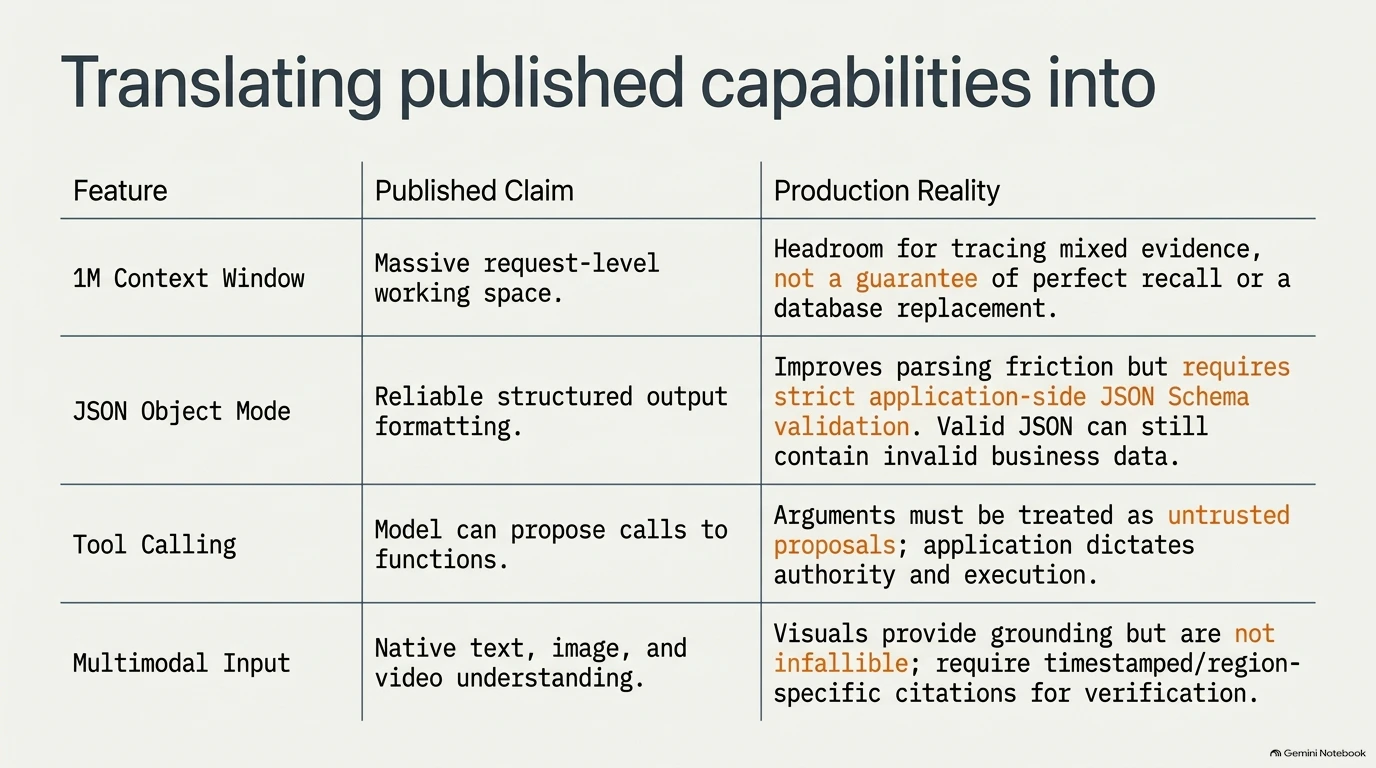
A one-million-token context window gives you a lot of "headroom." It's still a bad target. Think of it like a warehouse: having the space doesn't mean you should fill every shelf.
The main risk is context dilution — the model spreads its attention too thin. Models like this are prone to "position effects," where information buried in the middle of a massive prompt gets less useful attention than the data at the edges. Over-stuffing the window leads to high latency and expensive failures.
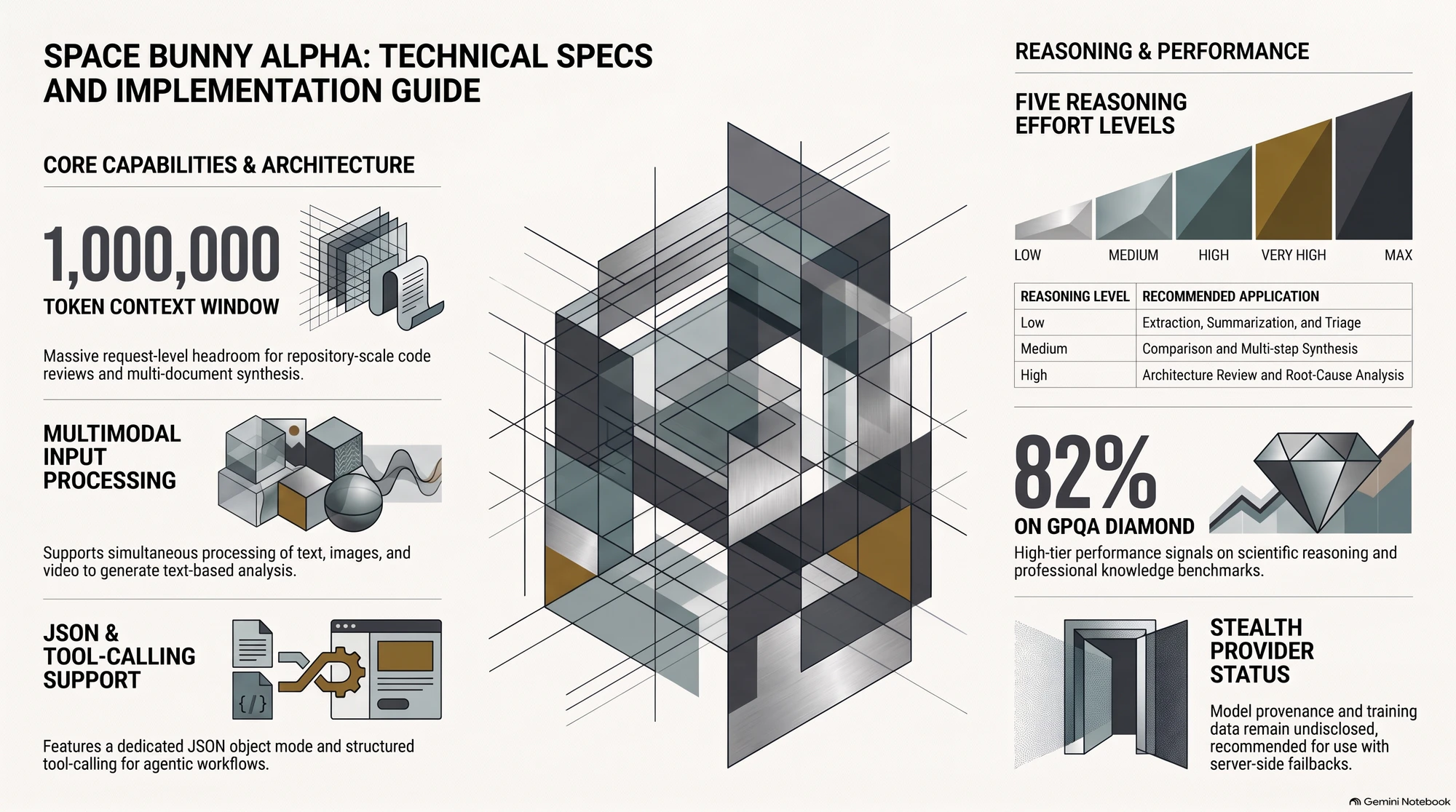
So if you want high-fidelity output, use the Map, Select, Ask, Verify workflow:
Map the corpus: Provide a directory tree, document index or source inventory so the model knows what it's looking at.
Select primary evidence: Pick the most relevant files and put the core query at the front of the prompt. That keeps it out of the diluted middle of the window.
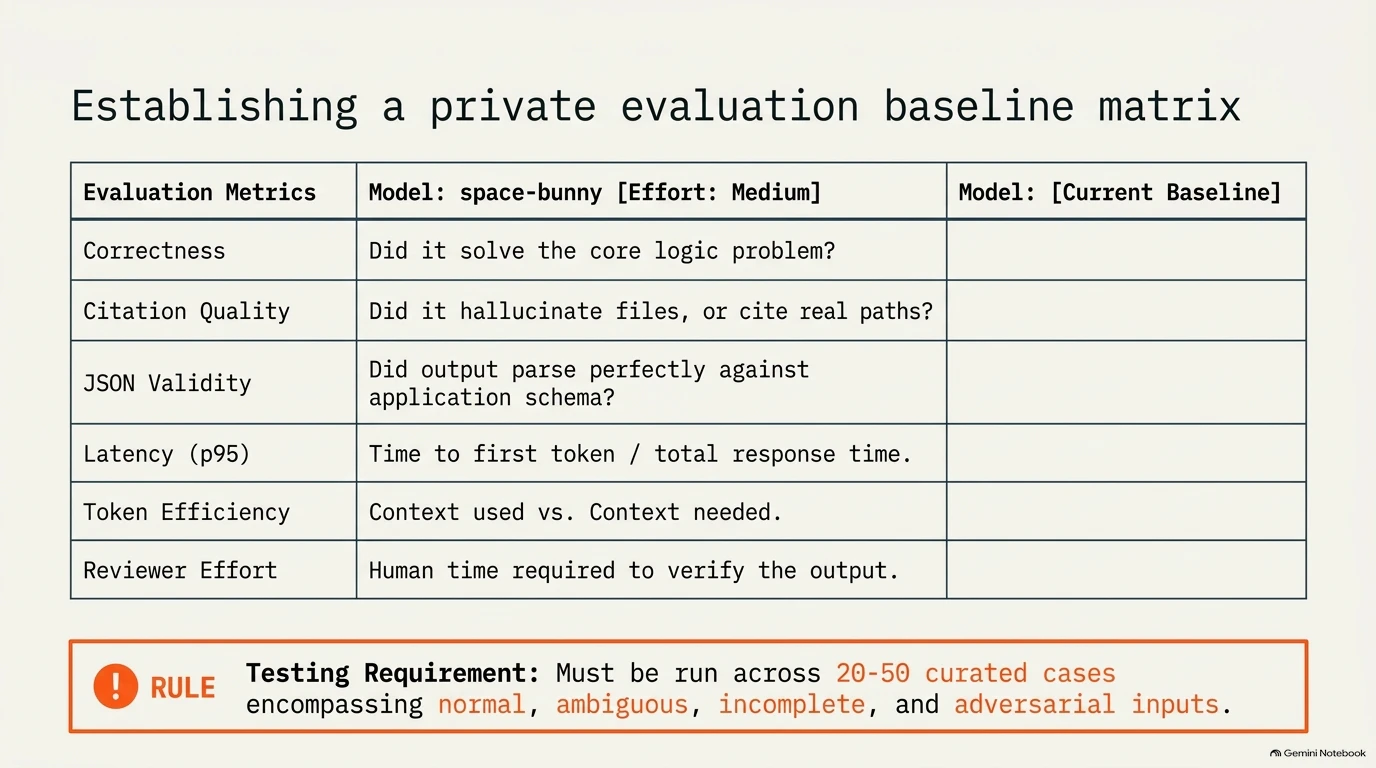
Ask for traceability: Require the model to cite specific file names, timestamps or quotes for every claim. Make it a system-level rule, so every conclusion is anchored to something you can check.
Verify the answer: Look at the cited evidence yourself, because fluent prose isn't proof.
Expand only when needed: Add secondary material only after the model points to a specific gap in its evidence. That way the window grows for a reason.
3. Multimodal Sight, Unimodal Speech
Space Bunny Alpha is a multimodal understanding model. It can "see" complex inputs, but it only "speaks" in text, code or JSON. Think of it as an analyst, not an artist.
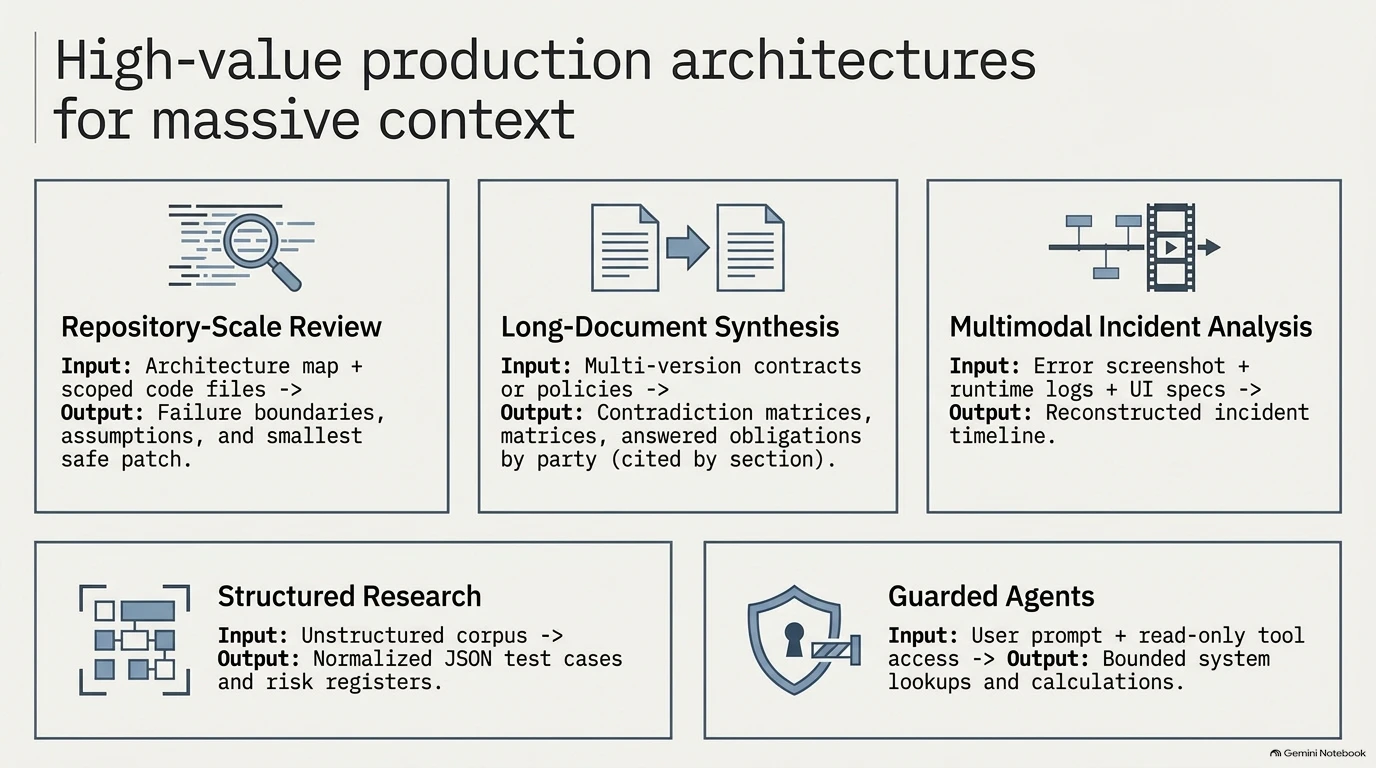
That makes it useful for incident reviews and architecture audits. If you feed it a UI screenshot, an architecture diagram or even a product demo video alongside your runtime logs and requirements, you give it the visual ground truth that text often misses.
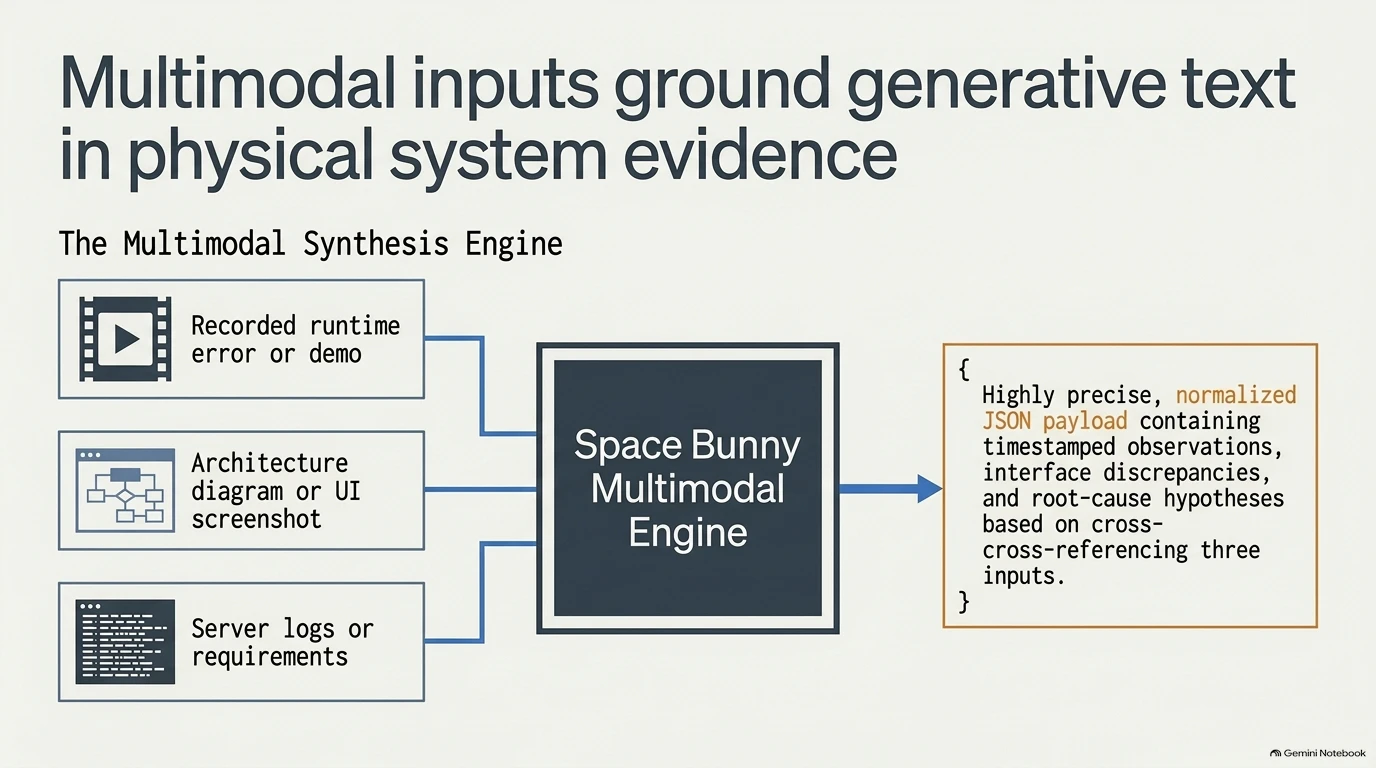
Seeing isn't the same as seeing correctly. For each finding, ask the model to name the visible element, region, frame or timestamp that supports it.
This works best when the visual artifacts are incomplete on their own. Pair a demo video with the acceptance criteria, and the model can connect "what was built" with "what was asked for."
4. Reasoning Effort Levels: The Five-Speed Gearbox
One of the model's more useful features is its reasoning-effort parameter. It has five levels (low, medium, high, xhigh, max). But it's not a quality toggle. Think of it as a budget control for your "cognitive ROI" — how much thinking you pay for, and what you get back.
Low is a sensible starting point. It's fast, cheap and good enough for most extraction and triage tasks. Shift up through the "gearbox" only when a lower level fails a specific quality rubric — otherwise you're paying for depth you don't use.
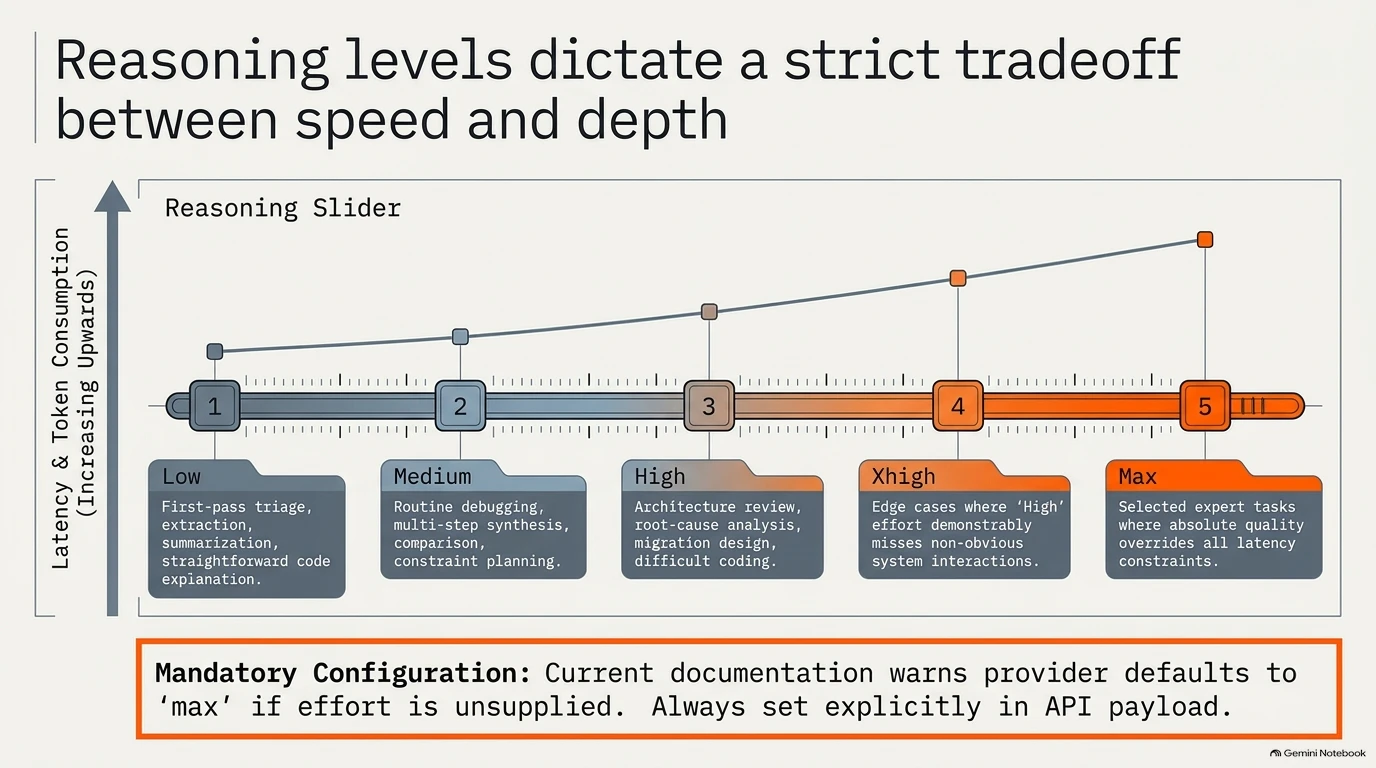
| Reasoning Level | Recommended Tasks | Speed & Cost |
|---|---|---|
| Low | Extraction, summarization, triage, simple code explanation. | Fast / Cheap |
| Medium | Comparison, routine debugging, multi-step planning. | Moderate |
| High | Architecture review, root-cause analysis, risk assessment. | Slow / Higher Cost |
| Xhigh | Hard cases with non-obvious interactions. | Very Slow |
| Max | Expert-level tasks where quality is the only priority. | Slowest / Expensive |
5. Space Bunny Alpha Benchmarks: A Production Reality Check
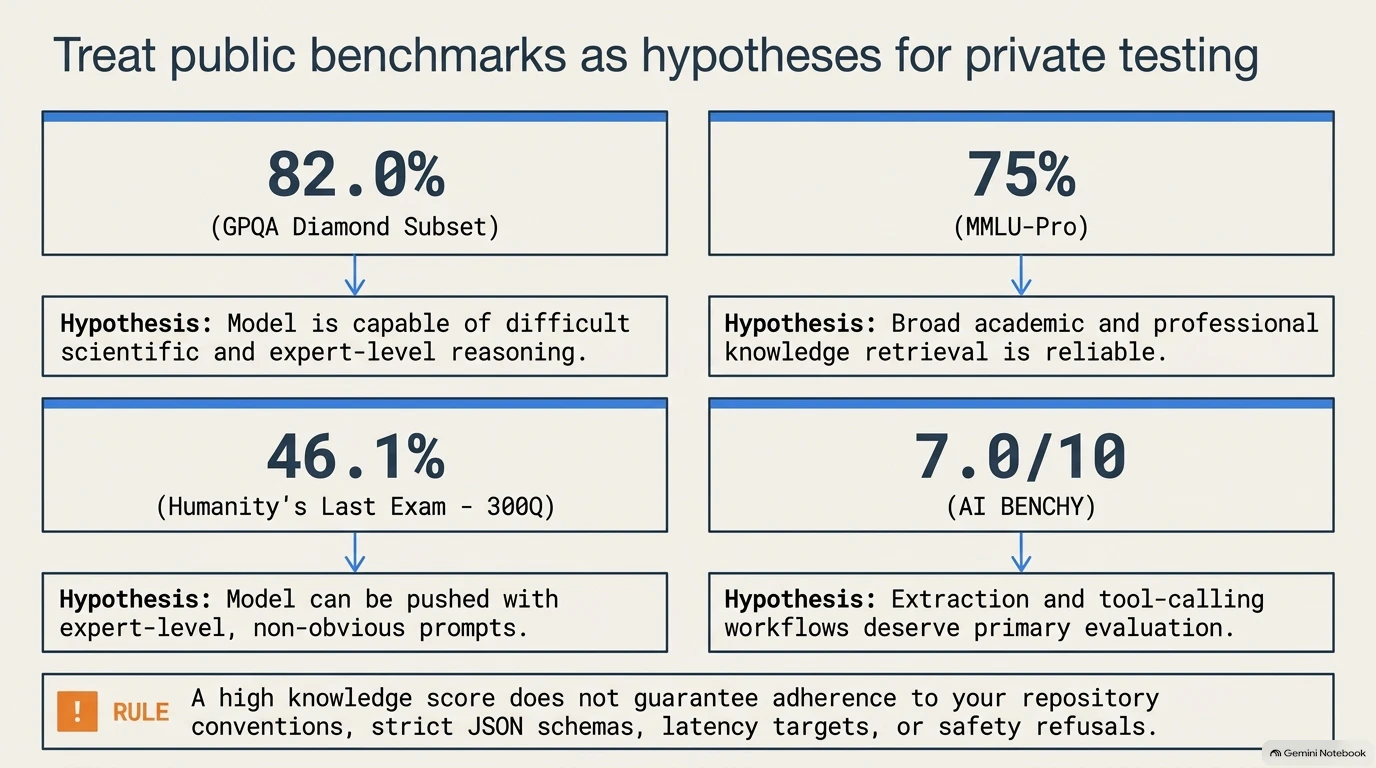
Space Bunny Alpha posts elite numbers — including an 82% on the GPQA Diamond subset. It's still an experimental preview, and the benchmarks tell only half the story.
Independent field tests published on SpaceBunnyAlpha.com were run on subsets (60 GPQA Diamond questions, 300 HLE questions), so they aren't directly comparable with official scores. In those tests it does well in science (82% GPQA) and general knowledge (75% MMLU-Pro). It struggles more on expert-level hurdles like Humanity’s Last Exam (46.1%) and scores a respectable but not dominant 7.0/10 on AI BENCHY at the high reasoning level (other levels land between 5.9 and 6.9).
So don't expect it to avoid the high-level failures its peers still make.
Production Risks & Red Flags:
- Identity Instability: No disclosed developer means no predictable support or compliance path.
- Data Retention: Prompts and completions may be retained by the undisclosed provider.
- Operational Lock-in: Availability and pricing ($0/1M tokens currently) can change without notice.
- Hallucination: A large context window doesn't solve the "invented fact" problem.
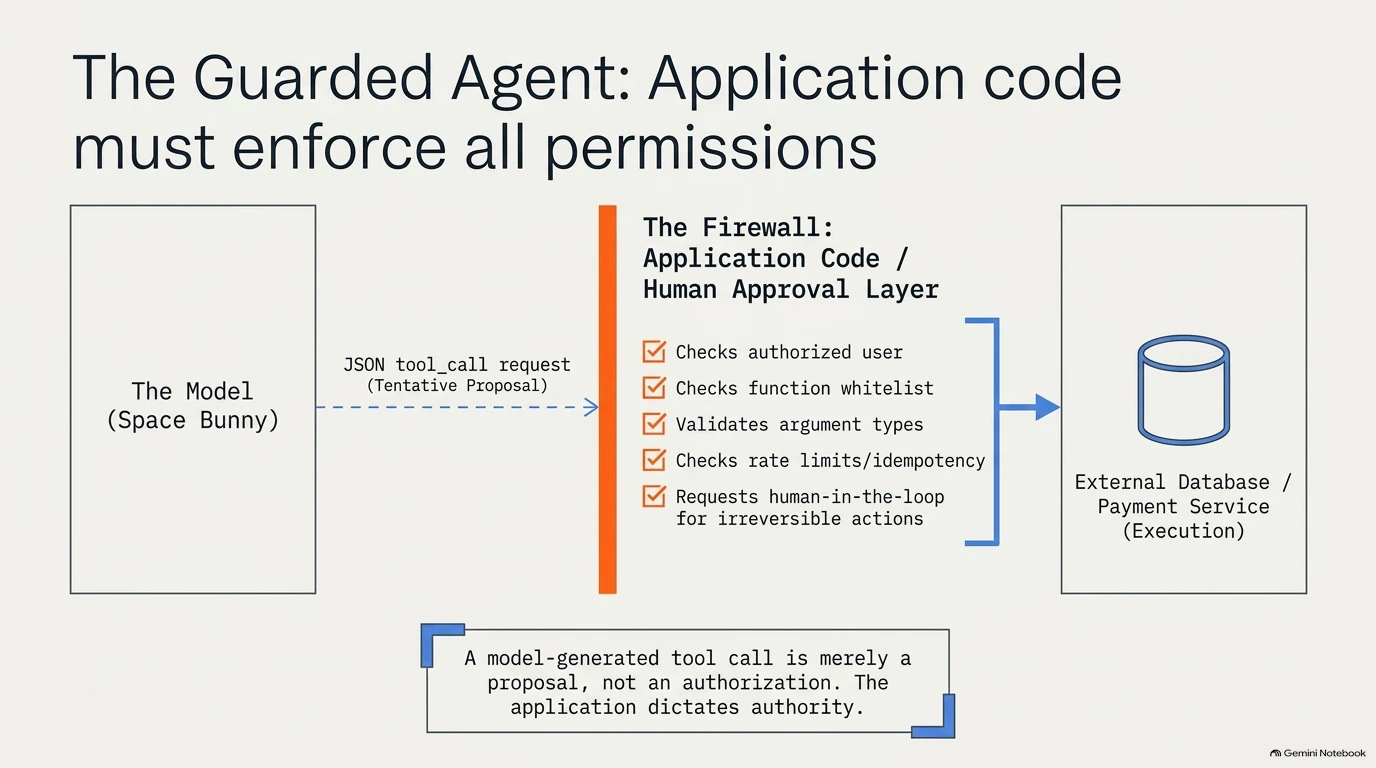
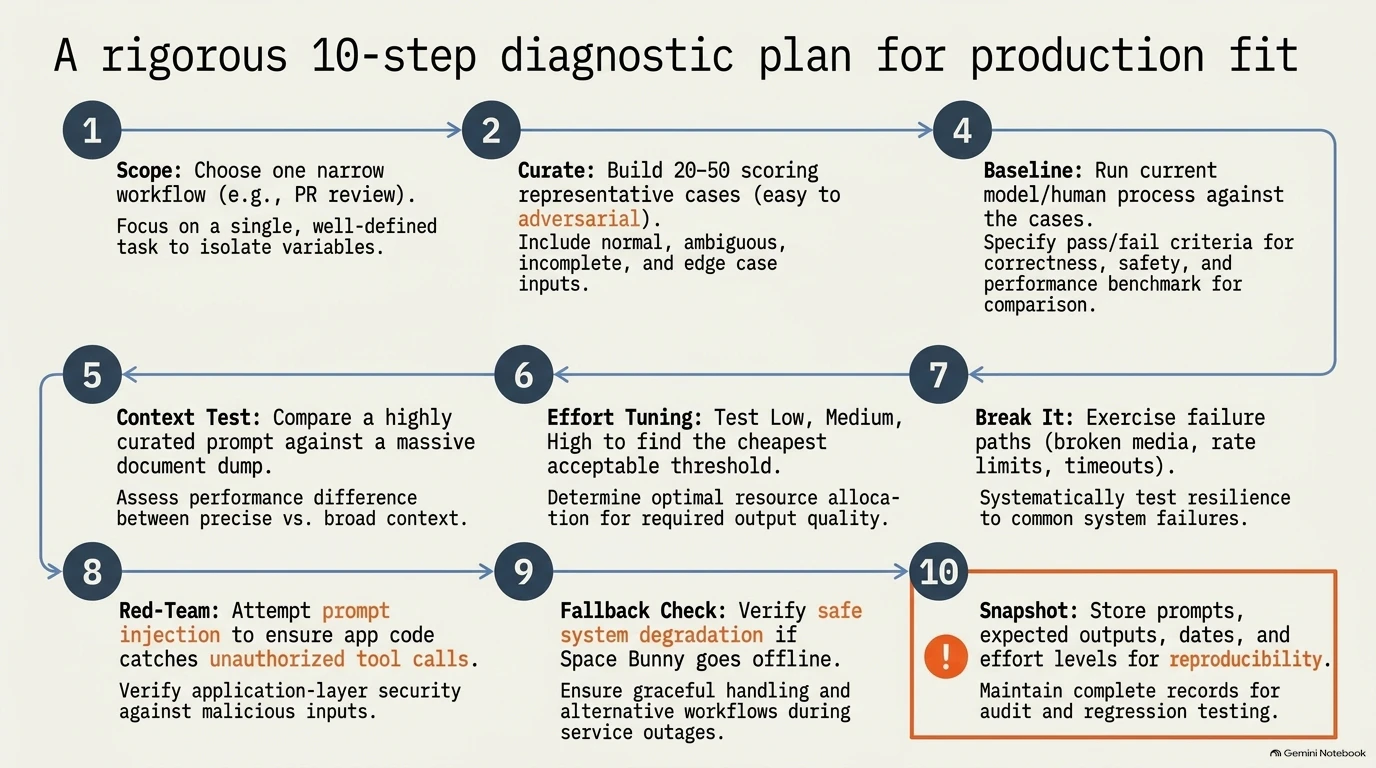
The Fallback Strategy: Don't build a production system that relies only on an anonymous alpha. Keep a server-side boundary, redact every secret before it leaves your system, and make sure your app can fall back to a stable, disclosed model if the "Space Bunny" route disappears. If the route vanishes overnight, your users shouldn't notice.
Conclusion: The Future of Anonymous Intelligence
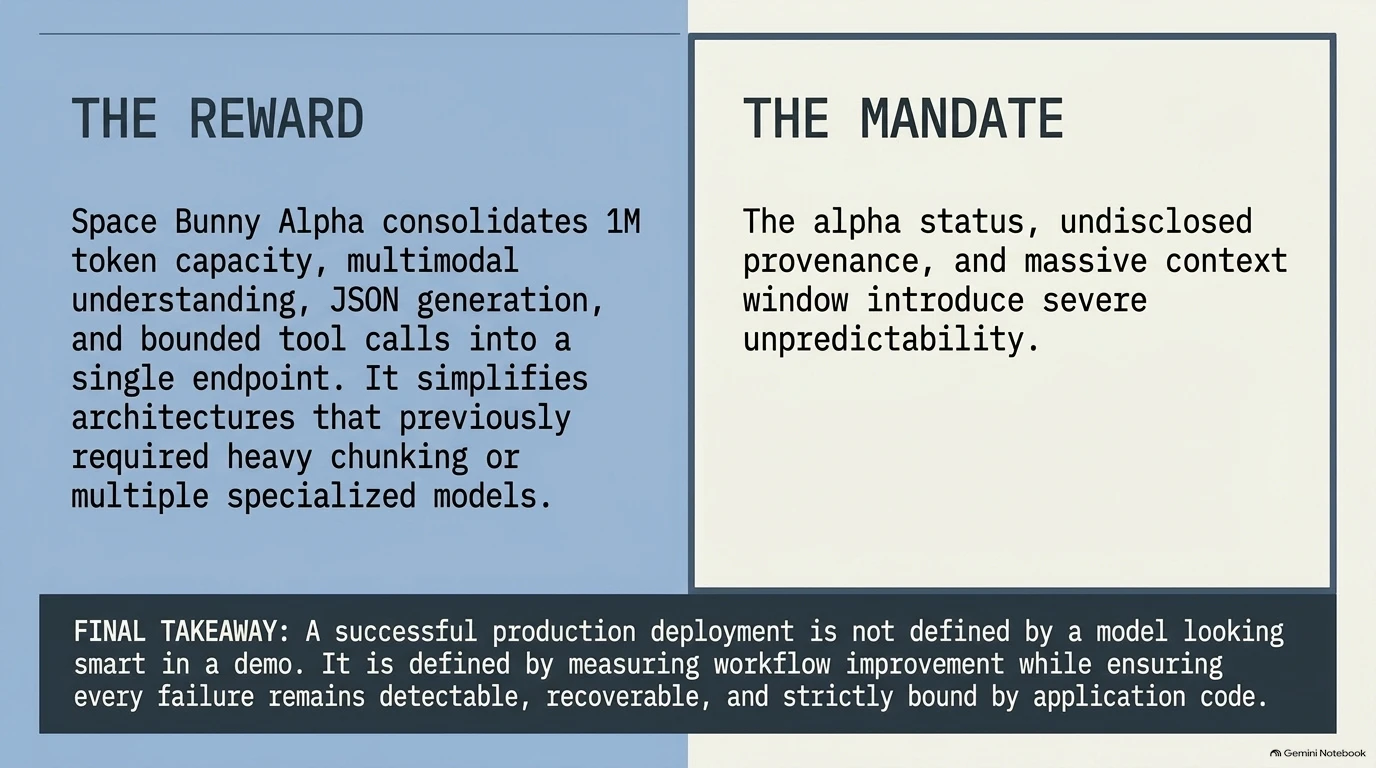
Space Bunny Alpha hints at "commodity intelligence": the brand on the model matters less than whether you can verify what it produces.
But for a company, utility without provenance is a compliance problem. As workflows get more agentic, the question of who built the "ghost" in the machine stops being a curiosity and becomes a security question.
So here's the test worth running before you ship anything: would you hand your most complex repository reviews to a model whose author nobody can name?